High-Impact Ways To Get Branford Homes Market-Ready
July 9, 2026
July 9, 2026
Wondering how to make your Branford home stand out without taking on a huge renovation project? If you are getting ready to sell, it is easy to feel pulled between big upgrades and a long to-do list. The good news is that the highest-impact prep usually starts with presentation, smart maintenance, and a clear plan. Let’s dive in.
If your goal is to get your Branford home market-ready, the strongest first move is usually not a full remodel. Research on home staging shows that cleaning, decluttering, repairing, depersonalizing, and updating the home can help buyers picture themselves living there.
That matters because buyers often respond quickly to homes that feel move-in ready, bright, and well cared for. In the 2025 Profile of Home Staging, 29% of agents reported a 1% to 10% increase in offered value when a home was staged, and 49% of sellers’ agents saw reduced time on market.
For most Branford sellers, that creates a practical roadmap. Clean first, repair second, stage third, photograph last.
If you have limited time or budget, do not try to perfect every room equally. Staging research points to the living room, primary bedroom, and kitchen as the most important spaces to prioritize.
Guest bedrooms tend to matter less when resources are tight. That means your effort is often better spent making core living spaces feel open, flexible, and easy to imagine using every day.
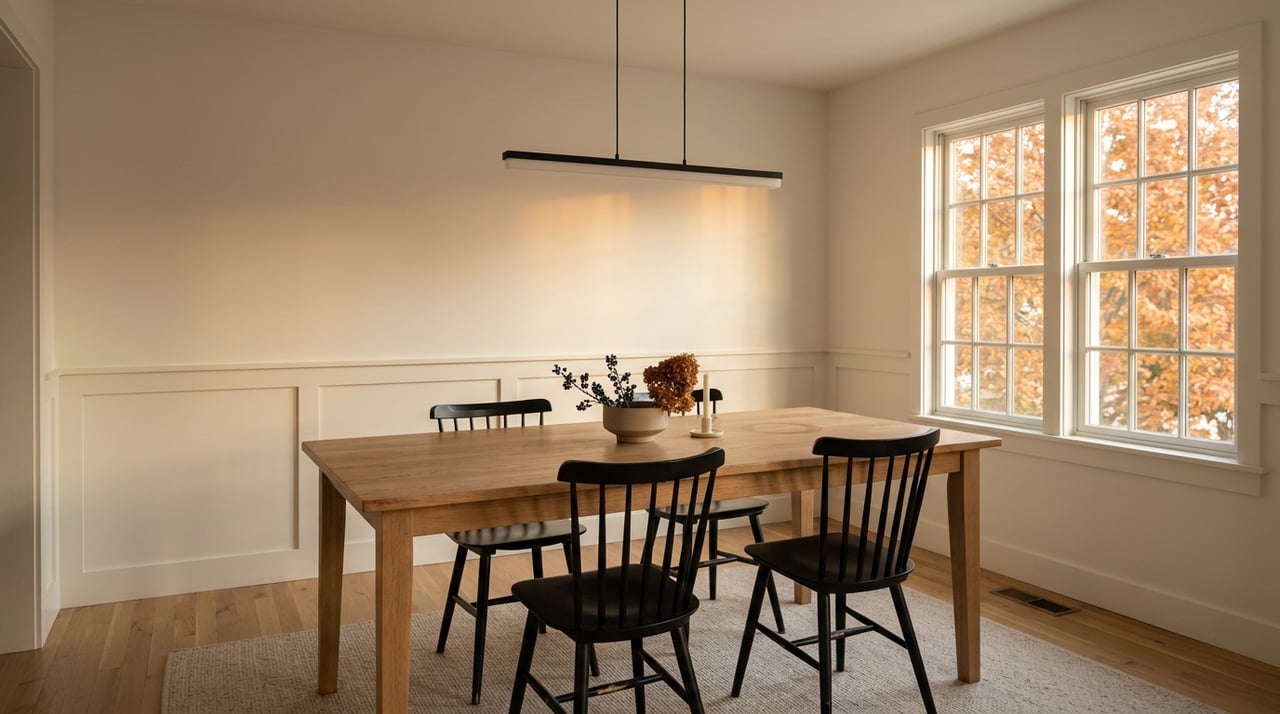
Your living room should feel open and easy to navigate. Remove extra furniture, clear surfaces, and simplify decor so the room looks larger and more functional.
If the space is dark, add lamps, open window coverings, and make sure the windows are clean. In parts of Branford with more tree cover, maximizing natural light can make a noticeable difference in how the home shows.
In the kitchen, less is usually more. Clear counters, tuck away small appliances, and leave only a few simple items out so buyers can focus on workspace and storage.
A deep clean goes a long way here. Pay extra attention to cabinet fronts, grout, sinks, appliance surfaces, and lighting.
Your primary bedroom should feel restful and uncluttered. Use simple bedding, reduce personal items, and keep furniture layout clean and balanced.
Closets matter too. Buyers often look closely at storage, so editing down packed closets can make the home feel more spacious overall.
Decluttering is one of the most effective pre-listing steps because it improves both in-person showings and listing photos. It helps rooms feel larger, cleaner, and easier for buyers to connect with.
Depersonalizing does not mean stripping your home of warmth. It means reducing highly personal photos, collections, and bold style choices so buyers can focus on the home itself.
A simple editing checklist can help:
Small unfinished items can distract buyers more than sellers expect. Before staging, take care of minor repairs that suggest deferred maintenance.
This may include touching up paint, fixing loose hardware, replacing burned-out bulbs, patching wall marks, and addressing doors or drawers that stick. Carpet cleaning and whole-home cleaning also belong in this phase.
In a shoreline market like Branford, practical upkeep sends a strong signal. Buyers want a home that feels cared for, not one that comes with a long list of immediate tasks.
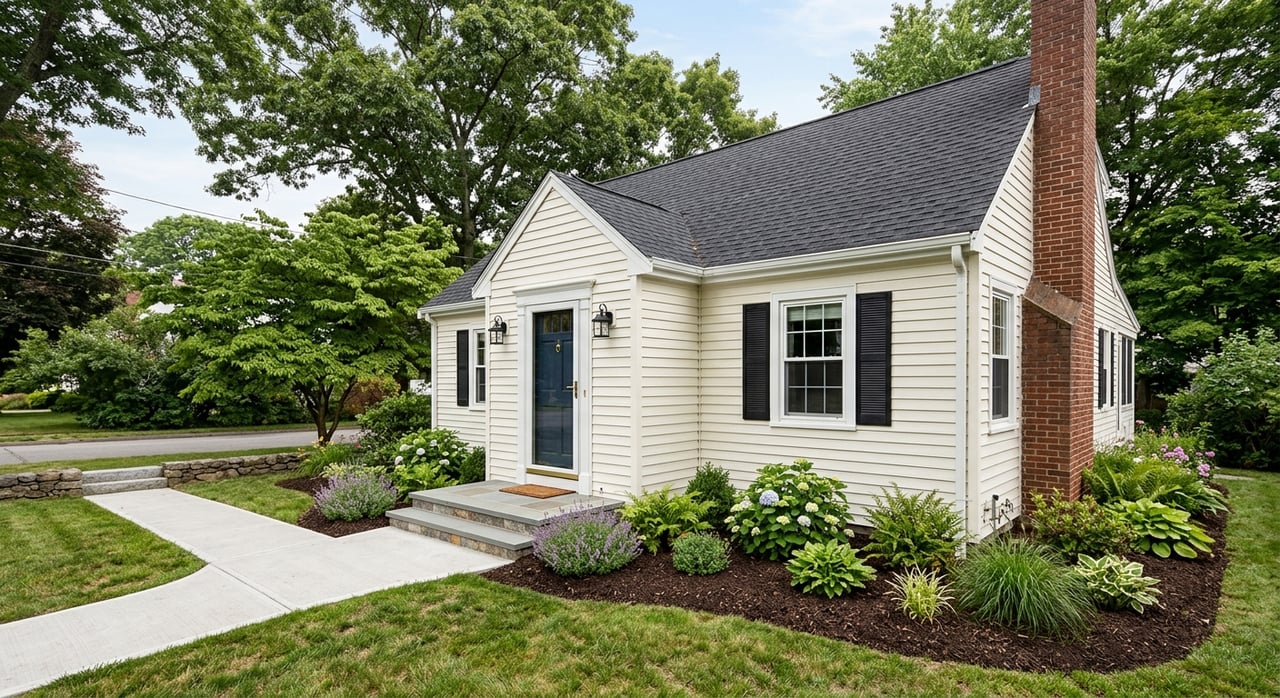
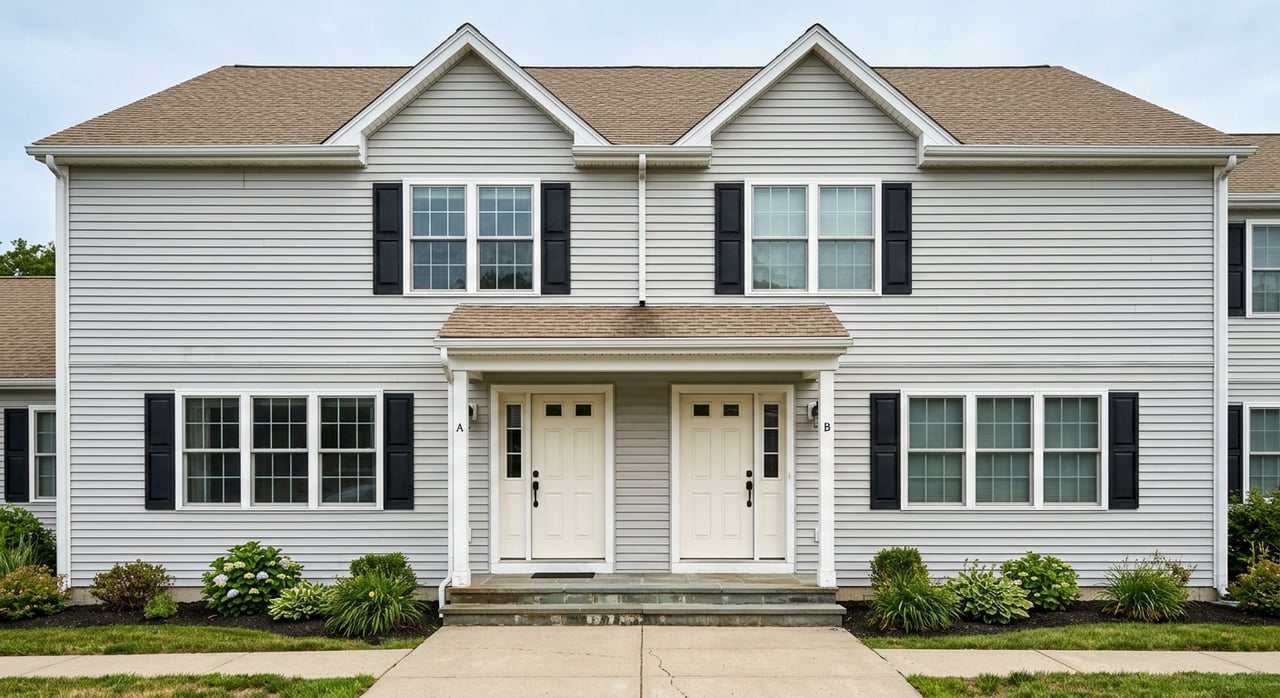
Exterior presentation matters everywhere, but in Branford it should also feel appropriate to the setting. Town planning and village district standards emphasize preserving character in places like Branford Center and Stony Creek, so dramatic exterior changes are usually less important than a clean, well-kept appearance.
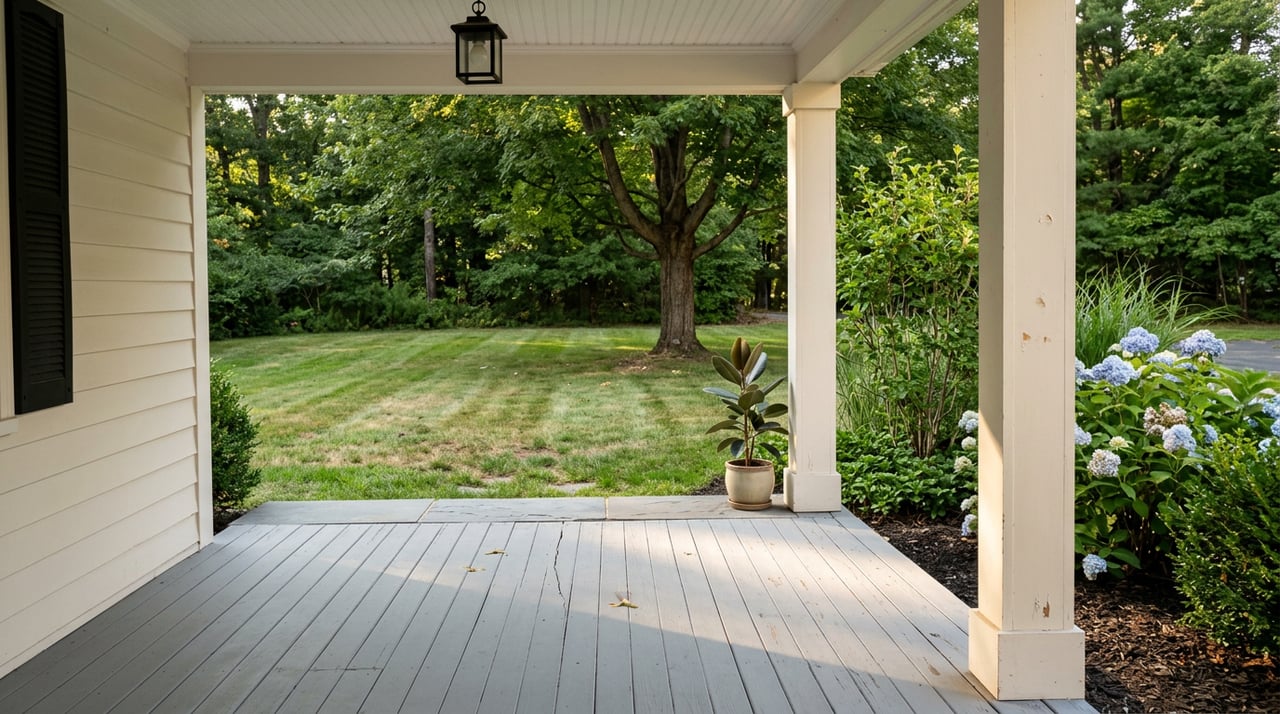
That means your best curb appeal moves may be simple ones. Focus on the front entry, windows, porch areas, walkways, visible parking areas, and overall landscape tidiness.
Start with the basics buyers notice right away:
For homes in Branford Center, a clean front entry and neat parking area can support the village feel buyers expect. In Stony Creek, keeping the exterior low-clutter and visually consistent with the home’s character can be especially helpful.
Branford has more than 20 miles of Long Island Sound coastline, and the town’s coastal resilience planning notes that sea-level rise and stronger coastal storms affect coastal neighborhoods and the town as a whole. If your home is on or near the water, buyers may pay even closer attention to maintenance and moisture-related issues.
Salt spray and onshore winds can speed up corrosion on metal connectors, fasteners, and hardware. That makes it smart to check for visible rust, peeling paint, loose railings, weathered hardware, and signs of moisture intrusion before your home goes on the market.
If your home is in a shoreline pocket such as Indian Neck, Pawson Park, Pine Orchard, Short Beach, or Stony Creek, review these items early:
These steps are not flashy, but they help your home feel resilient and well maintained.
Moisture control is a smart pre-listing priority in any home, and it matters even more in shoreline areas or homes with lower levels. Mold grows in wet or damp conditions, often after leaks or flooding, so damp basements and musty rooms should be addressed before photos or showings.
UConn Extension recommends keeping humidity below 50%, using exhaust fans that vent outside, and using a dehumidifier in damp basements. If a lower level tends to feel humid, take steps now so it presents as clean, dry, and usable.
If your basement or lower level has had moisture issues, focus on presentation and prevention:
Flood readiness also matters in coastal areas. Since flooding can result from coastal storms and storm surge, organized upkeep around drainage and storage can give buyers more confidence.
Different parts of Branford can benefit from slightly different prep strategies. The town’s canopy survey shows meaningful variation in tree cover, from lower canopy levels in Indian Neck/Pawson Park and Branford Center to much higher canopy in areas like Stony Creek North.
That does not change the core approach, but it can shape where you place your effort.
In Branford Center and similar in-town settings, focus on clean entries, polished windows, porches, and orderly outdoor areas. Presentation should support the home’s existing character rather than compete with it.
In more wooded pockets such as Brushy Plain, Mill Plain, or Stony Creek North, trim overgrowth, open up daylight, and clear leaf litter. These simple steps can help the home feel brighter and easier to maintain.
In shoreline neighborhoods, give extra attention to railings, hardware, lower levels, and simple landscaping. Around driveways and walks, lower-maintenance plantings can often present better than fussy beds, especially where salt exposure is a concern.
Listing photos and video have an outsized role in how buyers first experience your home. Research shows that photos, videos, and traditional physical staging matter much more to many sellers than virtual staging alone.
That is why preparation should support photography, not just in-person showings. Once your home is clean, repaired, and lightly staged, strong visuals can help each space read as bright, functional, and inviting.
If you are considering outside staging help, the median spend when using a staging service was $1,500. That can be a useful reminder that staging does not always mean a massive investment. Sometimes a focused plan for a few key rooms is enough.
If you need to move quickly, keep your priorities simple. The most effective order is usually declutter, deep clean, handle visible minor repairs, stage the main rooms, and then schedule photography.
That approach aligns with what buyers respond to most and helps avoid spending money in lower-impact areas first. In many cases, a well-presented home will do more for your launch than an ambitious last-minute renovation.
A strong Branford listing often comes down to one clear goal: make your home feel clean, bright, character-appropriate, and ready for coastal conditions.
If you are getting ready to sell in Branford and want practical guidance on what to do first, what to skip, and where your effort will have the most impact, Lisa Fekete can help you create a clear, market-smart plan.
Stay up to date on the latest real estate trends.



Luxury goes beyond square footage and price points. It’s about feeling supported, understood, and confident throughout the journey. Whether you’re purchasing, selling, or investing, you’ll receive thoughtful, goal-driven guidance, hands-on support from start to finish, and a new best friend in real estate you can rely on long after the closing.