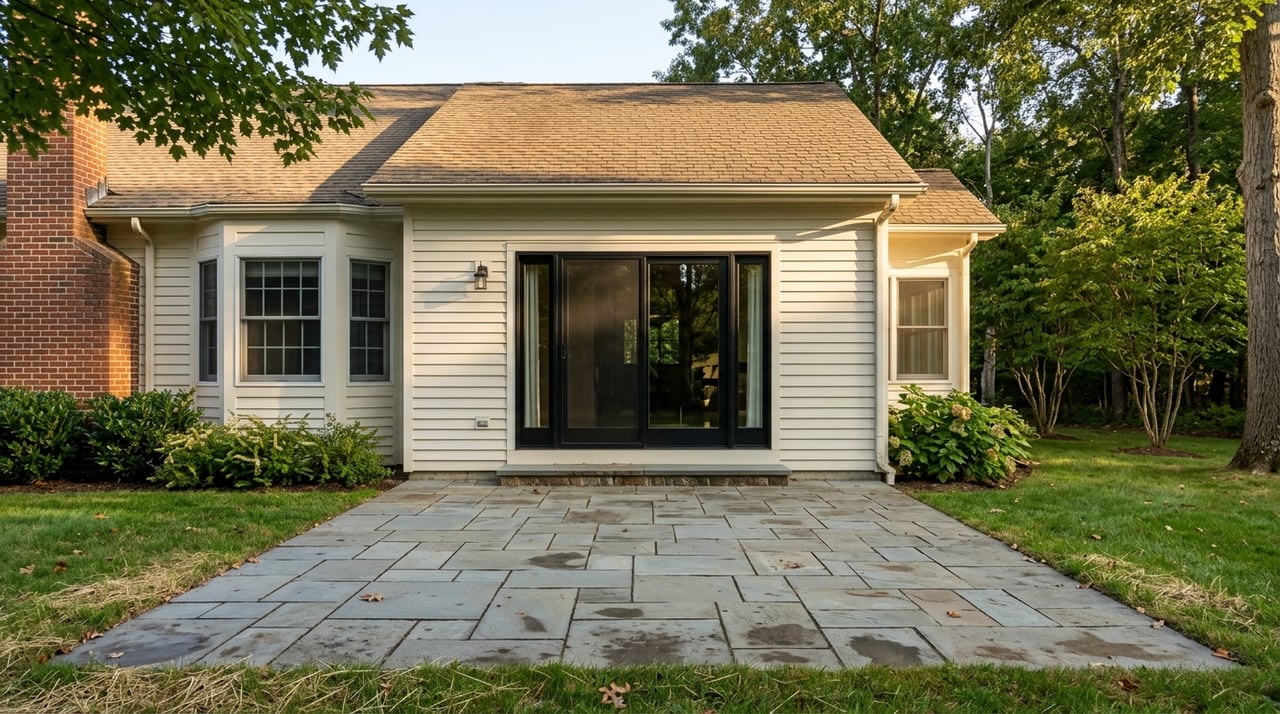
Moving Up To Your Next Home In Branford CT
June 25, 2026
Ready for more space, a different layout, or a better fit for your next chapter, but not sure how to make the numbers work in Branford? That is one of the most common questions move-up buyers face, especially when you are balancing today’s home value, your next mortgage, and the timing of two transactions at once. The good news is that Branford gives you real options, from condo living near town amenities to larger inland homes and shoreline properties with a very different lifestyle feel. If you want to move up with less stress and better clarity, it helps to understand the market, your equity, and the tradeoffs that come with different parts of town. Let’s dive in.
Branford is not a one-size-fits-all market. The town includes Branford Center and Stony Creek as key focal points, along with Short Beach, Indian Neck, Branford Hills, and Brushy Plains as important local nodes. That matters because your next home may not just be bigger. It may offer a different setting, commute, or daily routine.
Current market activity also shows a broad range of price points and property types. Redfin reports 63 homes for sale in Branford, with a median sale price of $345,000 and a median of 32 days on market. Listings range from entry-level condos to shoreline and luxury homes above $1 million, which means a move-up purchase can take several forms depending on what you want most.
For some buyers, moving up means trading a condo for a single-family home. For others, it means staying in a similar square footage range but moving closer to the water, town center, or the Shore Line East station area. Branford’s Transit Oriented Development planning around the station also highlights walkability, bike access, and stronger links to downtown and the waterfront.
Before you look at listings, start with the question that matters most: how much equity will you actually have available after selling your current home? Your sale proceeds are not the same as your usable budget. You need to account for your mortgage payoff and your expected transaction costs.
The Consumer Financial Protection Bureau notes that closing costs typically run about 2% to 5% of the purchase price, not including your down payment. It also reminds buyers that monthly housing costs go beyond the mortgage and can include property taxes, insurance, maintenance, and utilities. That bigger picture is especially important when you are stepping into a more expensive home.
A simple move-up budget should include:
This is where practical planning makes a big difference. If you are considering a home that needs updates, you also want to leave room in your budget for improvements after closing, not just the purchase itself.
In Branford, a larger purchase price usually means a noticeably larger annual tax bill. The town calculates real estate taxes based on the assessment multiplied by the mill rate, and Connecticut assessments are set at 70% of fair market value in a revaluation year. Branford’s 2024 revaluation applies to the October 1, 2024 grand list, and the town lists the 2025 mill rate at 22.16 mills.
Using that formula, an $800,000 home would have an estimated annual town property tax of about $12,410 before exemptions. A $1,000,000 home would be about $15,512 per year. Those numbers show why it is so important to look beyond the list price when you are comparing move-up options.
The town also notes that revaluation is intended to update values for fairness. For you, the practical takeaway is simple: if you are moving into a bigger or more valuable property, plan for taxes to become a larger part of your annual ownership cost.
Most move-up buyers in Branford fall into one of three timing strategies. The best fit depends on your finances, your risk tolerance, and how much flexibility you have with your move dates.
Selling first gives you the clearest picture of your available equity. It can also reduce financial pressure because you are not carrying two homes at once. If you want strong budget certainty, this is often the cleanest path.
The tradeoff is that you may need temporary housing or a flexible closing plan if you do not find your next home right away. In a market where median days on market is 32, it helps to prepare early so you are ready to act when the right property appears.
Buying first can make the physical move easier because you can transition directly into your next home. It may also help if you have a very specific location or property type in mind and do not want to miss a rare opportunity.
The challenge is funding the purchase before your current home sells. The Consumer Financial Protection Bureau says a HELOC lets borrowers access available equity through a line of credit, but only if they can comfortably manage the payments. That makes it a possible tool for some homeowners, but not a default answer for everyone.
A coordinated sale and purchase is common in residential real estate. The Consumer Financial Protection Bureau notes that the loan closing and purchase closing typically happen at the same time. For move-up buyers, that can create a smoother handoff from one home to the next.
The key is planning. If you want a same-day or closely timed closing, you need a clear strategy for financing, packing, moving logistics, and backup options in case one date shifts.
Even if you have strong equity, your next mortgage may still feel different than your current one. Freddie Mac reported a 30-year fixed-rate average of 6.48% for the week ending June 4, 2026. That means your borrowing cost can have a major impact on affordability, even if your down payment is substantial.
When you move up, it helps to compare homes not just by purchase price, but by estimated monthly ownership cost. A home with a higher price, higher taxes, and higher insurance may change your comfort level more than you expected. Looking at the full payment picture helps you shop with confidence instead of guesswork.
One of Branford’s strengths is that you can often stay in town while changing your lifestyle. The town’s planning framework supports the idea of Branford as a collection of submarkets rather than a single housing bucket. That is useful when you are deciding what “move-up” really means for you.
If convenience matters most, the center and station area may appeal to you. Branford’s planning around the Shore Line East station emphasizes walkability, bicycle access, and better connections between the station, town center, and waterfront. For buyers who want easier access to local amenities or commuting options, this area can offer a different kind of upgrade.
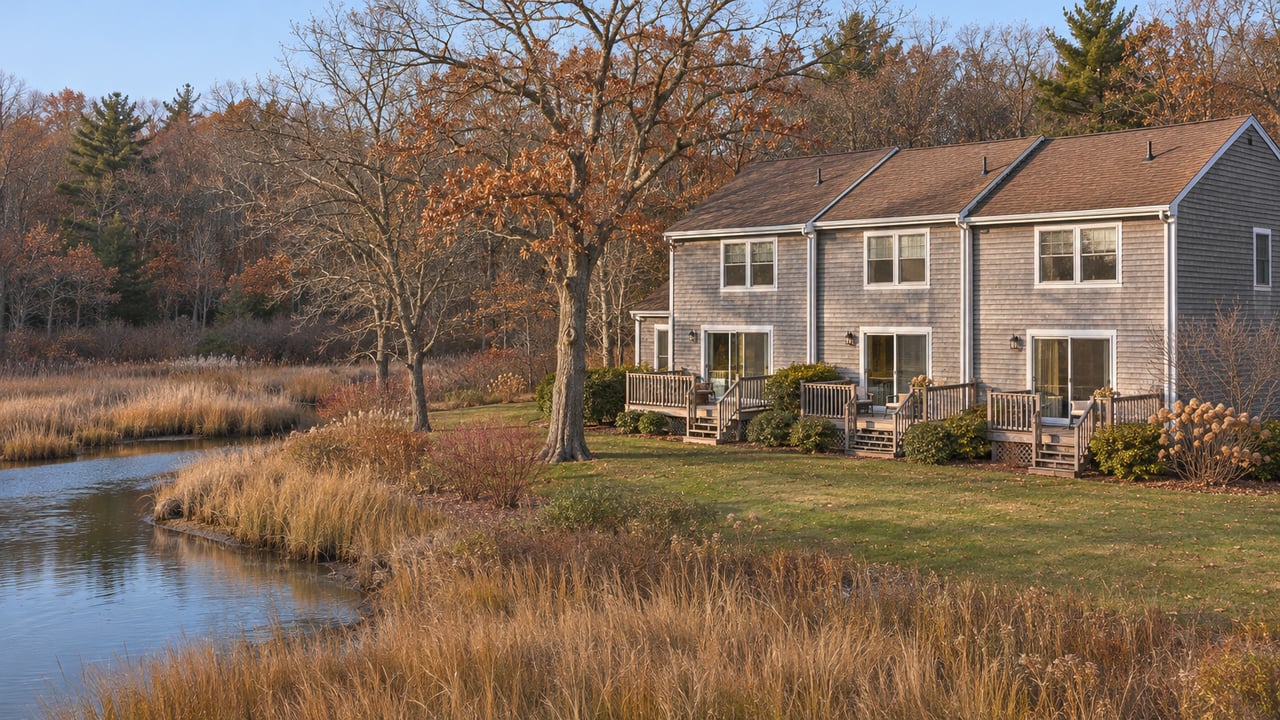
If you are drawn to shoreline character, Stony Creek and other coastal sections like Indian Neck can offer a very different setting. These areas may appeal to buyers looking for water proximity, village feel, or a more distinctive property type. They can also come with higher price points and different resilience considerations.
Branford’s coastal planning work states that sea level rise and stronger coastal storms have direct negative impacts on coastal neighborhoods, and that the entire town will feel effects over time. If you are considering a shoreline move-up purchase, flood exposure and long-term resilience should be part of your decision process alongside style, views, and location.
Areas such as Branford Hills or Brushy Plains may offer a different balance of space and setting. Depending on the property, you may find larger lots, a more traditional residential feel, or a better fit if square footage is your top priority. For many move-up buyers, inland options are worth comparing closely against shoreline homes so you can weigh space, taxes, and daily convenience side by side.
Not every move-up decision is about adding bedrooms. Sometimes the bigger goal is a better layout, less maintenance, room for guests, space to work from home, or a property with renovation potential.
A few helpful questions can clarify your search:
If renovation is part of your plan, it is smart to evaluate the project before you stretch your budget too far on price alone. A home with the right bones can be a strong long-term fit, but only if the updates match your timeline and finances.
The biggest mistake many homeowners make is waiting too long to build a plan. In Branford, where inventory spans many price points and homes are not sitting indefinitely, early preparation gives you more control. You do not need every answer on day one, but you do need a roadmap.
A strong plan usually starts with pricing your current home accurately, estimating your net proceeds, reviewing your likely payment range, and narrowing down which parts of Branford best support your goals. Once you have those pieces in place, your next move becomes much easier to time and manage.
If you are thinking about moving up in Branford, the best first step is a conversation about your goals, your home’s likely value, and the kind of transition that makes sense for you. Connect with Lisa Fekete for a personalized, high-touch approach backed by local Shoreline knowledge and practical real estate guidance.
Stay up to date on the latest real estate trends.


Luxury goes beyond square footage and price points. It’s about feeling supported, understood, and confident throughout the journey. Whether you’re purchasing, selling, or investing, you’ll receive thoughtful, goal-driven guidance, hands-on support from start to finish, and a new best friend in real estate you can rely on long after the closing.