Smart Pre-Sale Updates For Old Saybrook Homes
July 2, 2026
July 2, 2026
Thinking about selling your Old Saybrook home and wondering what is actually worth updating first? You are not alone. Many sellers want to make smart improvements without over-spending, especially in a shoreline market where condition, durability, and first impressions matter. The good news is that the best pre-sale updates are usually practical, visible, and grounded in how buyers shop today. Let’s dive in.
In Old Saybrook, pre-sale prep should do more than make your home look nice in photos. Because this is a shoreline community with historic character and exposure to coastal weather, buyers often notice signs of upkeep, weather resistance, and how well a home fits its setting.
That matters even more now because buyers are less willing to compromise on condition. According to the 2025 Remodeling Impact Report, 46% of buyers are less willing to overlook a home’s condition. That makes visible maintenance and repair work a strong first investment before you consider larger cosmetic projects.
If your home has older architectural details, that does not mean you need a dramatic redesign. Old Saybrook has more than 100 homes with historic significance, along with many 18th-century Colonial and 19th-century Federal buildings. In this setting, clean and respectful updates often make a better impression than trendy changes that feel out of place.
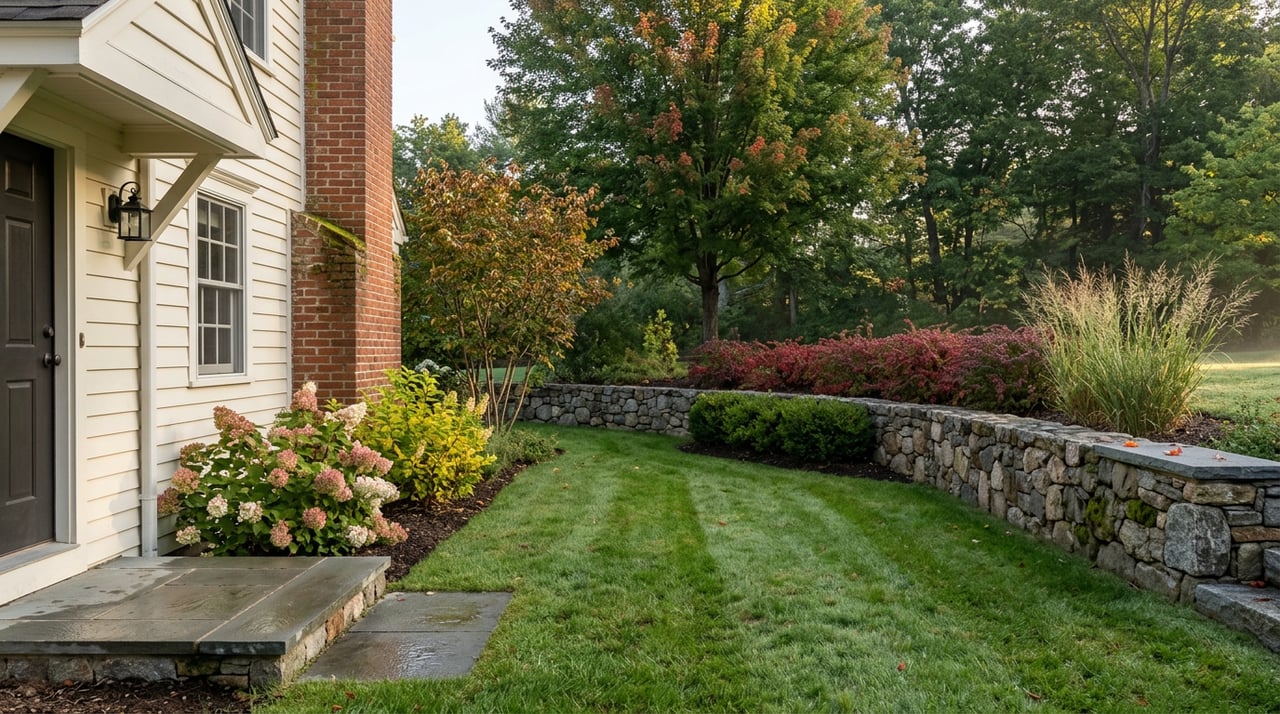
Your exterior sets the tone before a buyer ever walks through the front door. NAR reports that 92% of REALTORS recommend improving curb appeal before listing, and 97% say curb appeal matters in attracting a buyer.
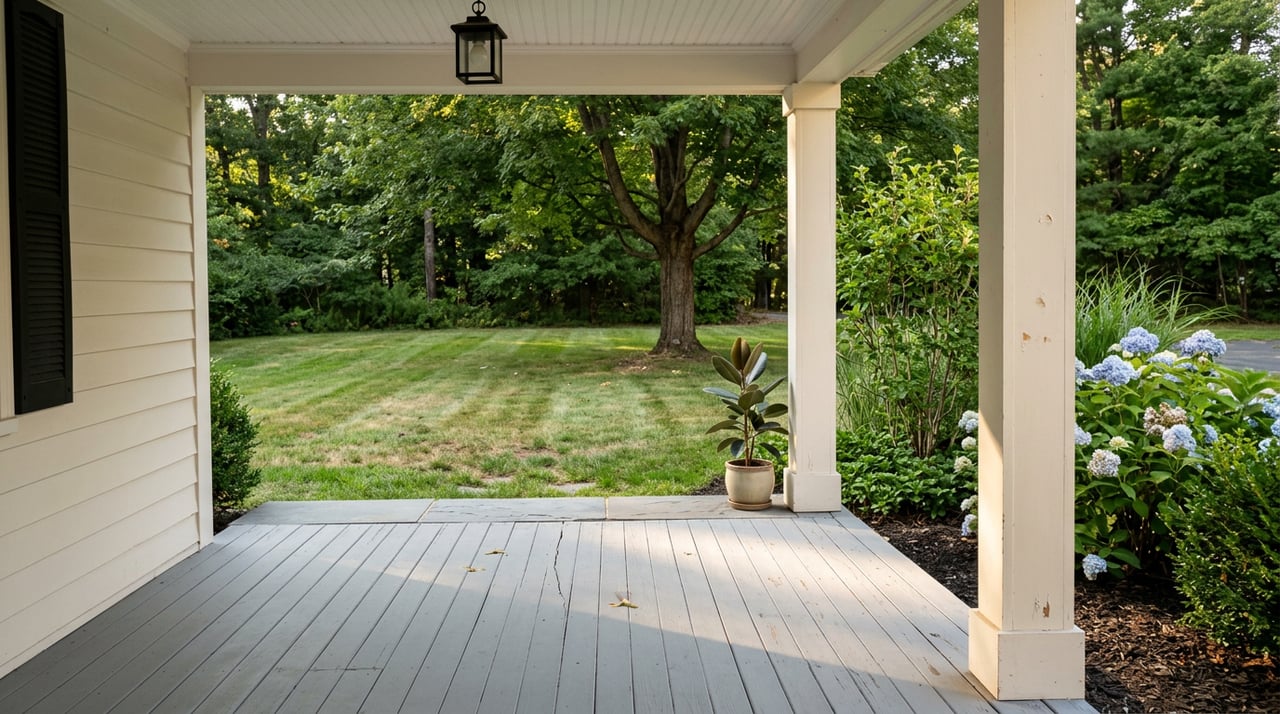
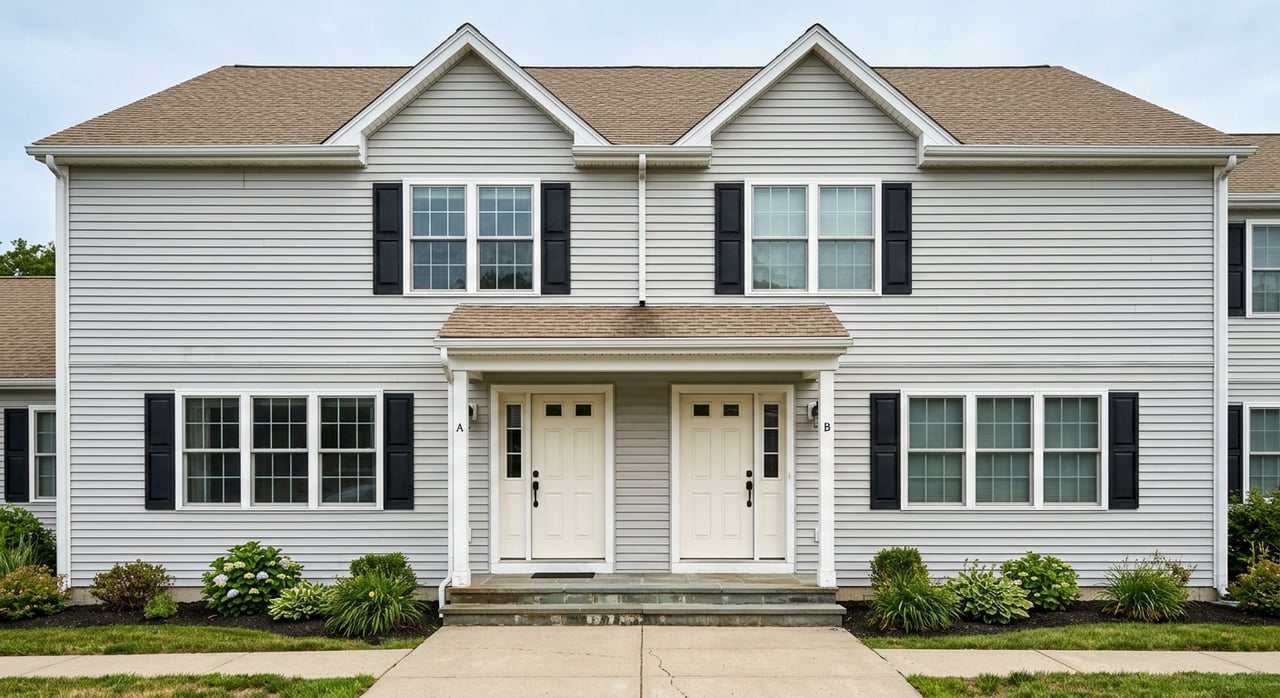
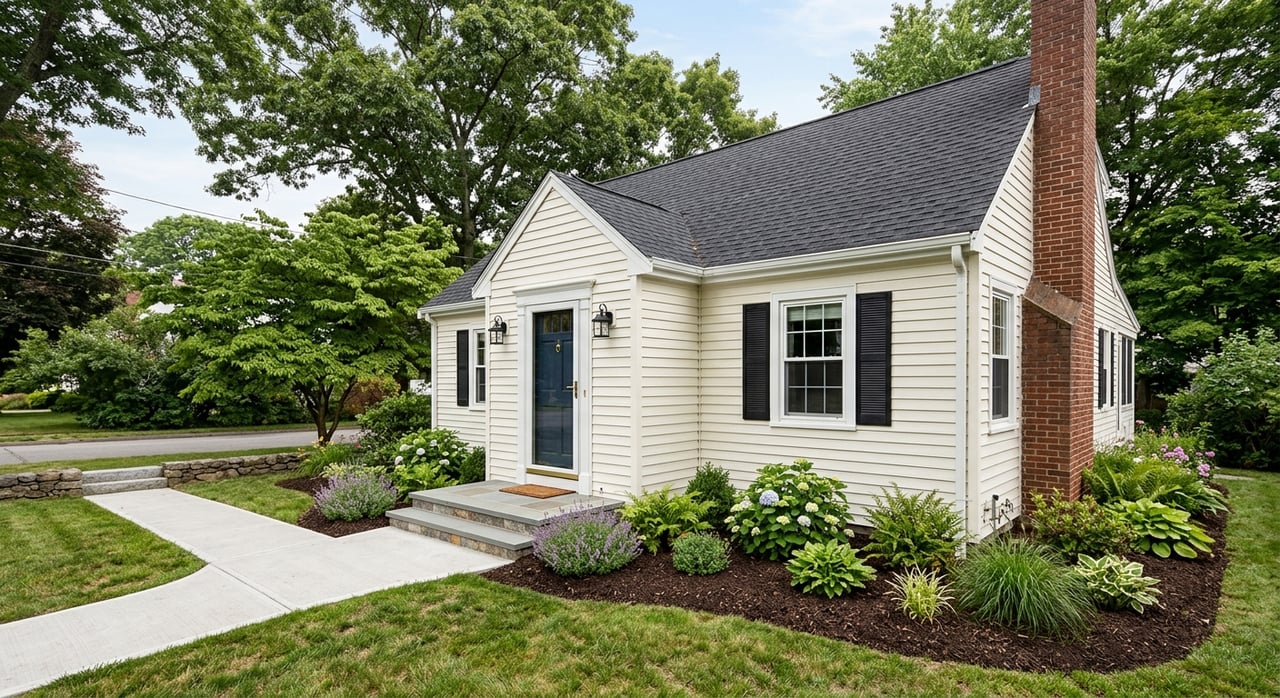
In Old Saybrook, smart curb appeal updates are usually simple and targeted. Think clean siding, neat landscaping, washed walkways, repaired trim, and a front entry that feels cared for and welcoming.
A fresh front door can also be a smart move. The 2025 Remodeling Impact Report found that a new steel front door had 100% cost recovery, and a new fiberglass front door had 80% cost recovery. If your existing entry looks worn, replacing or refreshing it may do more for buyer perception than a much larger project.
Coastal wear can quietly drag down your first impression. FEMA notes that metals corrode much faster near the ocean, so Old Saybrook sellers should take a close look at hardware and exterior finishes.
Before listing, check for:
These are not glamorous fixes, but they send a clear message that your home has been maintained.
Paint is one of the most practical pre-sale improvements because it touches both condition and presentation. NAR found that painting the entire home was one of the most commonly recommended projects before selling, at 50%, while painting one interior room came in at 41%.
If your walls are scuffed, dated, or highly personalized, fresh paint can quickly make the home feel cleaner and more move-in ready. In most cases, neutral and durable selections are the safest choice.
That matters because 31% of owners said they would make different material or finish choices if they could redo their project. When you are preparing to sell, broad appeal usually beats personal taste.
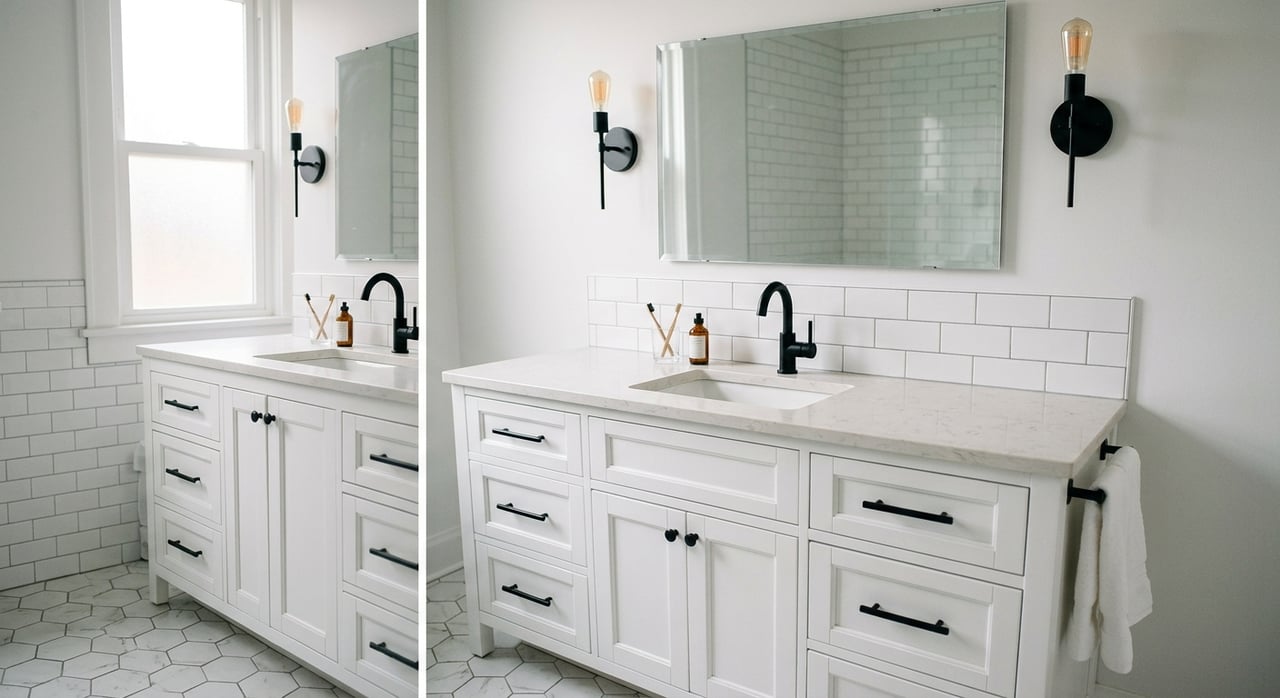
Kitchens and baths still matter, but that does not mean you need a full renovation. NAR says kitchen upgrades and bathroom renovations are common seller-prep recommendations, but the strongest pre-sale strategy is often a modest refresh instead of a gut job.
For many Old Saybrook homes, smart updates include:
These changes can make the space feel cleaner and more current without pushing your budget into areas the market may not fully reward.
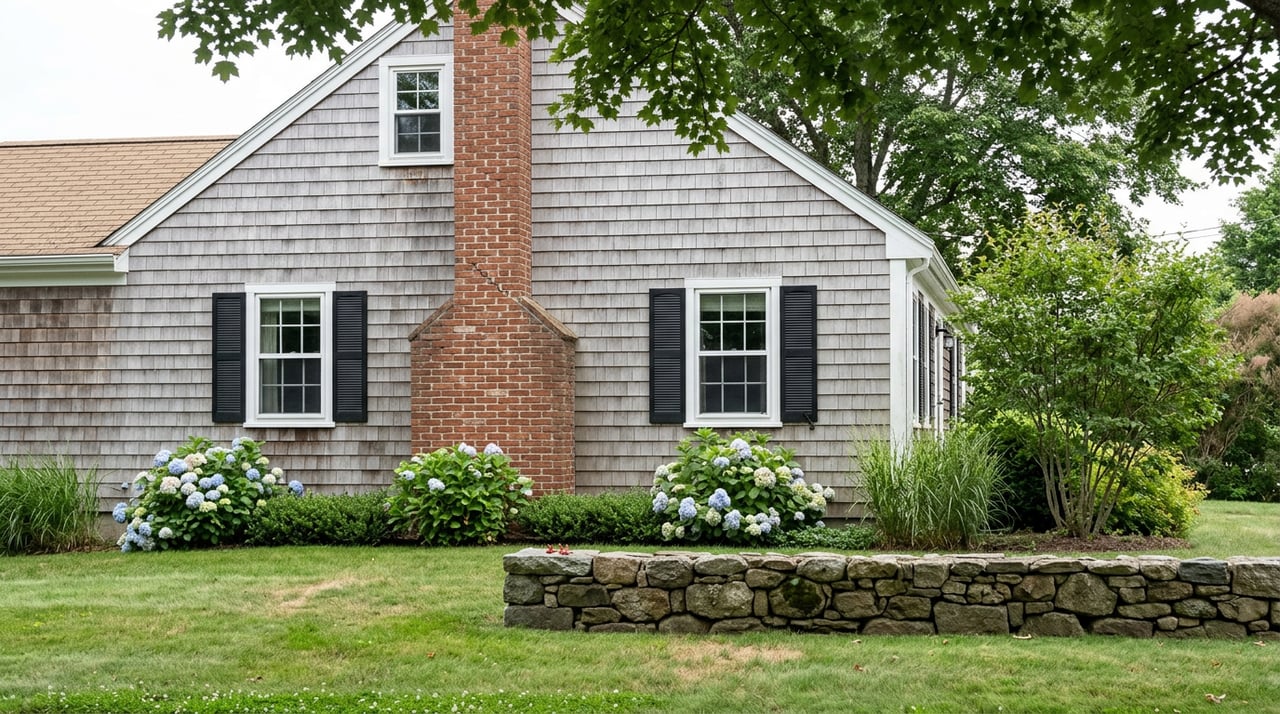
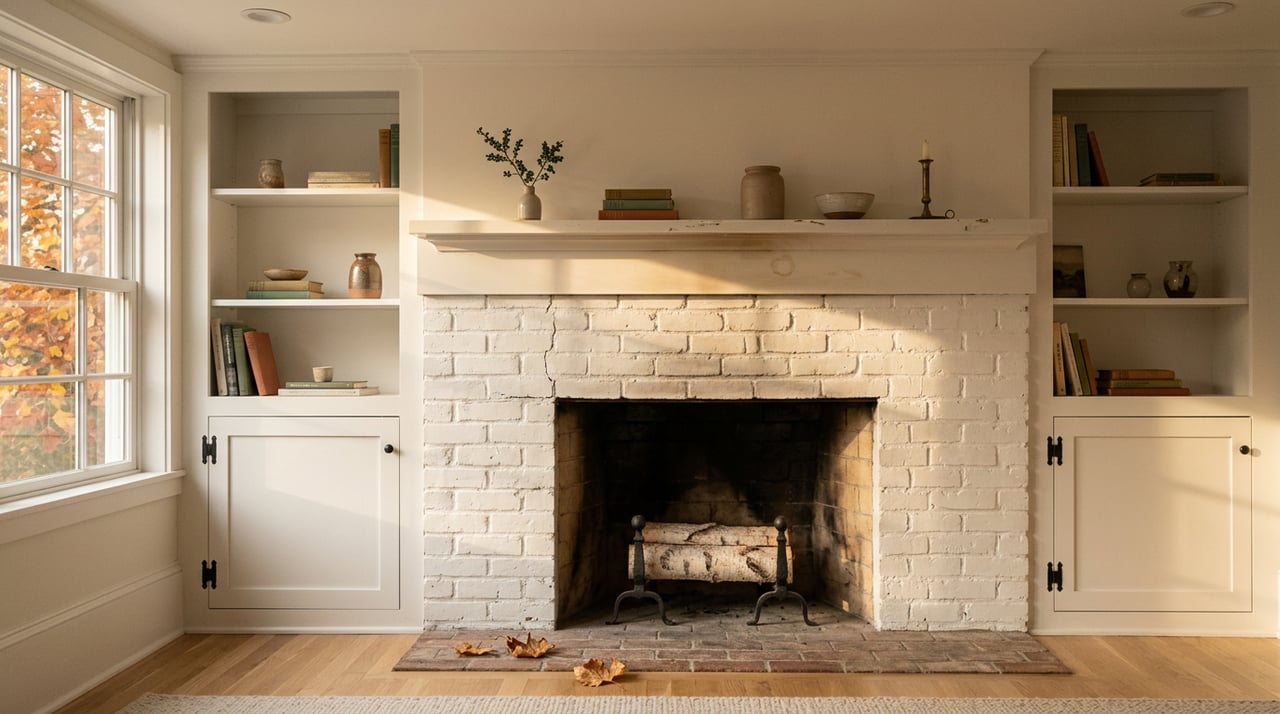
Old Saybrook has a mix of shoreline homes, classic Colonials, Capes, and other traditional properties. Buyers often respond best when updates feel intentional and connected to the home’s existing style.
That means your goal is not to erase character. It is to make the home feel bright, clean, functional, and easy to maintain.
Some of the smartest pre-sale updates are the ones buyers feel right away. Drafts, uneven temperatures, or signs of moisture can raise questions even if the finishes look good.
The U.S. Department of Energy says air sealing can cut heating and cooling costs, improve durability, increase comfort, and support a healthier indoor environment. It also notes that simple steps like caulking and weatherstripping can offer quick returns.
DOE guidance also recommends a whole-house approach that includes air sealing, insulation, moisture control, and ventilation. Reducing drafts can save 5% to 30% per year, which can make a home feel more efficient and lower risk to a buyer.
For a shoreline market like Old Saybrook, these updates do more than improve utility performance. They also help show that the home has been cared for in practical, lasting ways.
If you are deciding where to spend first, start with problems that buyers can see or sense. Moisture issues, peeling surfaces, damaged trim, worn roofing, and deferred maintenance tend to stand out quickly.
This is also where sequencing matters. A practical order for pre-sale prep is to fix visible defects and moisture concerns first, improve curb appeal next, then refresh kitchens and baths, and finish with decluttering and staging.
That order works well because it addresses condition before cosmetics. In today’s market, that is often the smarter path.
It is easy to assume that the most expensive project will bring the biggest resale benefit. But the data does not always support that.
Some large remodels bring a lot of owner satisfaction, yet smaller exterior and storage-related projects can show stronger cost recovery. For many sellers, that means staying aligned with neighborhood value and avoiding over-improvements unless you are solving a clear issue the market will notice.
In other words, you do not need to chase a dramatic transformation. You need to remove buyer objections and strengthen the home’s overall impression.
Before listing, it often makes sense to avoid:
Connecticut Sea Grant notes that hard shoreline structures like seawalls can affect erosion patterns and may require CT DEEP and local approvals. That type of work is not typical pre-listing prep, and it should not be approached like a simple upgrade.
If your update list includes mechanical or renovation-related work, give yourself enough time. Old Saybrook’s Building Department monitors permits and inspections for renovation work, and new or replacement mechanical equipment such as furnaces, heat pumps, ductwork, and mini-splits requires a mechanical permit.
Homes in flood zones may also face additional permitting requirements. If your property falls into that category, planning ahead matters even more.
This is one reason practical pre-sale planning is so important. A rushed project can create delays, while the right project schedule helps you get to market with less stress.
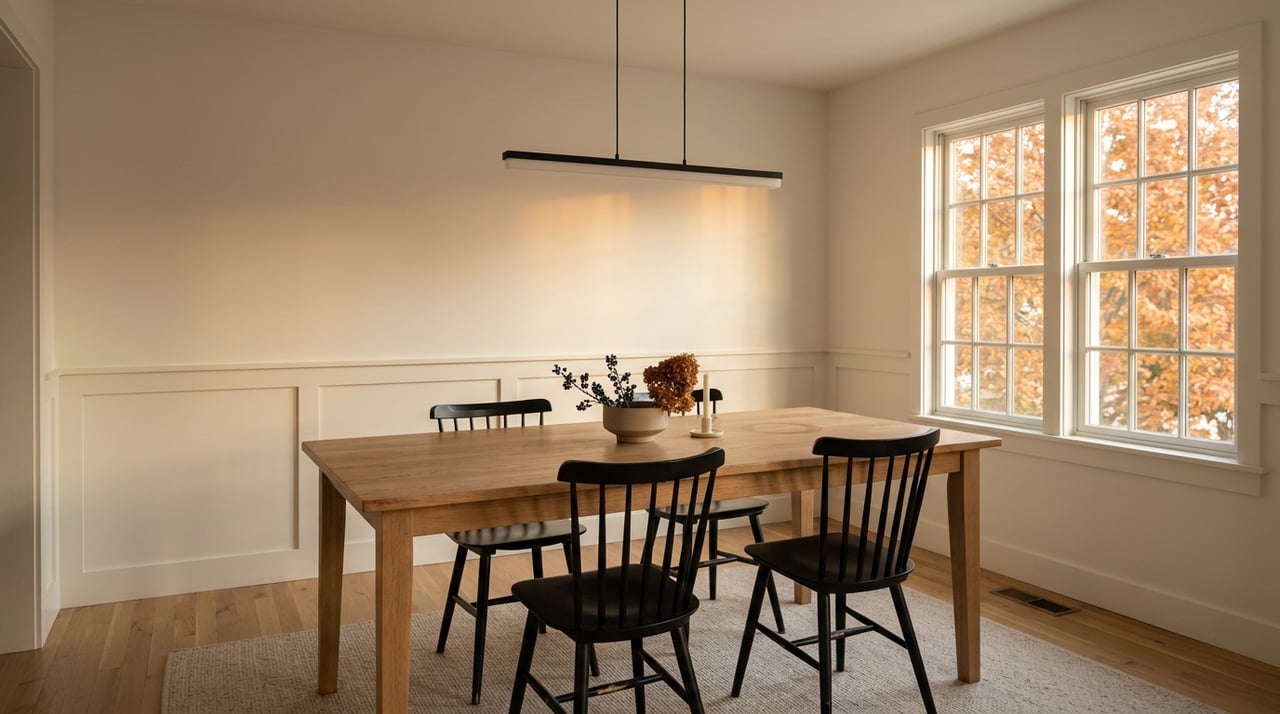
Once repairs and updates are complete, presentation becomes the final layer. Staging helps buyers picture how the home lives, and it can support both value and speed.
NAR’s 2025 staging report says 83% of buyers’ agents believe staging makes it easier for buyers to visualize the property as their future home. It also found that 29% reported a 1% to 10% increase in the dollar value offered, while 49% of sellers’ agents saw staged homes spend less time on the market.
The rooms buyers care about most are the living room, primary bedroom, and kitchen. If full staging is not in the budget, decluttering, simplifying, and correcting obvious property faults are still worthwhile final steps.
If you want a practical way to think about pre-sale improvements, use this checklist:
This kind of plan fits the Old Saybrook market well. It respects the town’s character, supports durability in a coastal setting, and focuses your budget where buyers are most likely to notice.
When you are preparing to sell, the goal is not to do everything. It is to do the right things in the right order. If you want tailored advice on which updates make sense for your specific property, Lisa Fekete can help you create a thoughtful pre-sale strategy that fits your home, timeline, and goals.
Stay up to date on the latest real estate trends.

Luxury goes beyond square footage and price points. It’s about feeling supported, understood, and confident throughout the journey. Whether you’re purchasing, selling, or investing, you’ll receive thoughtful, goal-driven guidance, hands-on support from start to finish, and a new best friend in real estate you can rely on long after the closing.