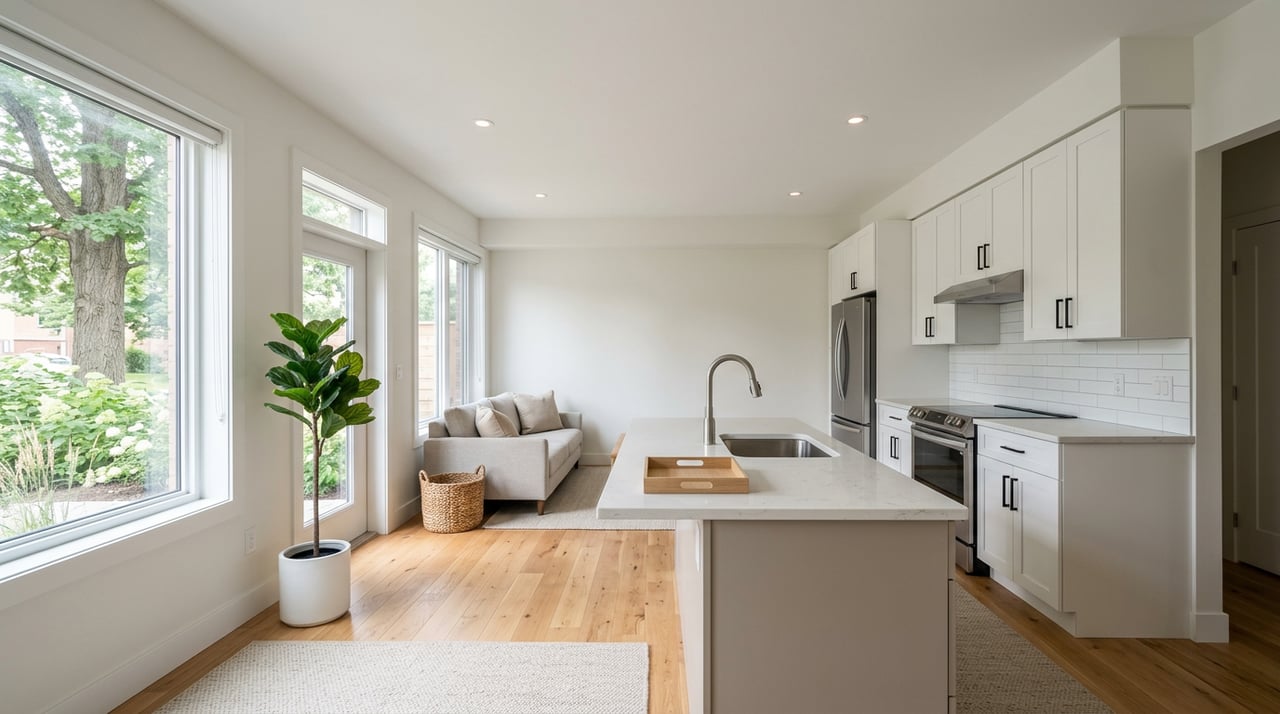
Downsizing In Branford And The Connecticut Shoreline
March 24, 2026
March 24, 2026
Thinking about living with less and enjoying more along the Connecticut Shoreline? Downsizing can feel big, but it often brings freedom, savings, and a home that fits your life today. If you or a loved one is considering a move in Branford or nearby Shoreline towns, a clear plan and the right local resources make all the difference. In this guide, you’ll find housing options, a simple step-by-step timeline, Branford-specific tax notes, and trusted local contacts to help you move with confidence. Let’s dive in.
A right-size move can lower day-to-day upkeep, reduce stairs, and free up equity for the next chapter. Recent market snapshots suggest many Branford owners have meaningful equity. Through December 2025, Realtor reported a median home price around 436,950, and Zillow’s Home Value Index showed a typical home value near 439,370 through January 31, 2026. These numbers change month to month, so confirm with a current CMA from a local agent before you decide.
Downsizing locally also keeps you close to favorite shoreline spots, established medical providers, and familiar routines. If you want maintenance-light living, one-level homes and local condos are common options. If you prefer a campus with dining and activities, Branford has respected independent and assisted living choices to explore.
The Branford market typically ranges from the mid-300Ks into the 400Ks, with variations by neighborhood, condition, and proximity to the water. A current CMA will show days on market, pricing bands, and how similar homes have sold recently. Use that to set expectations, budget for prep, and weigh timing. If you plan to list this season, start decluttering and light repairs a few weeks early to stay ahead of contractor schedules.
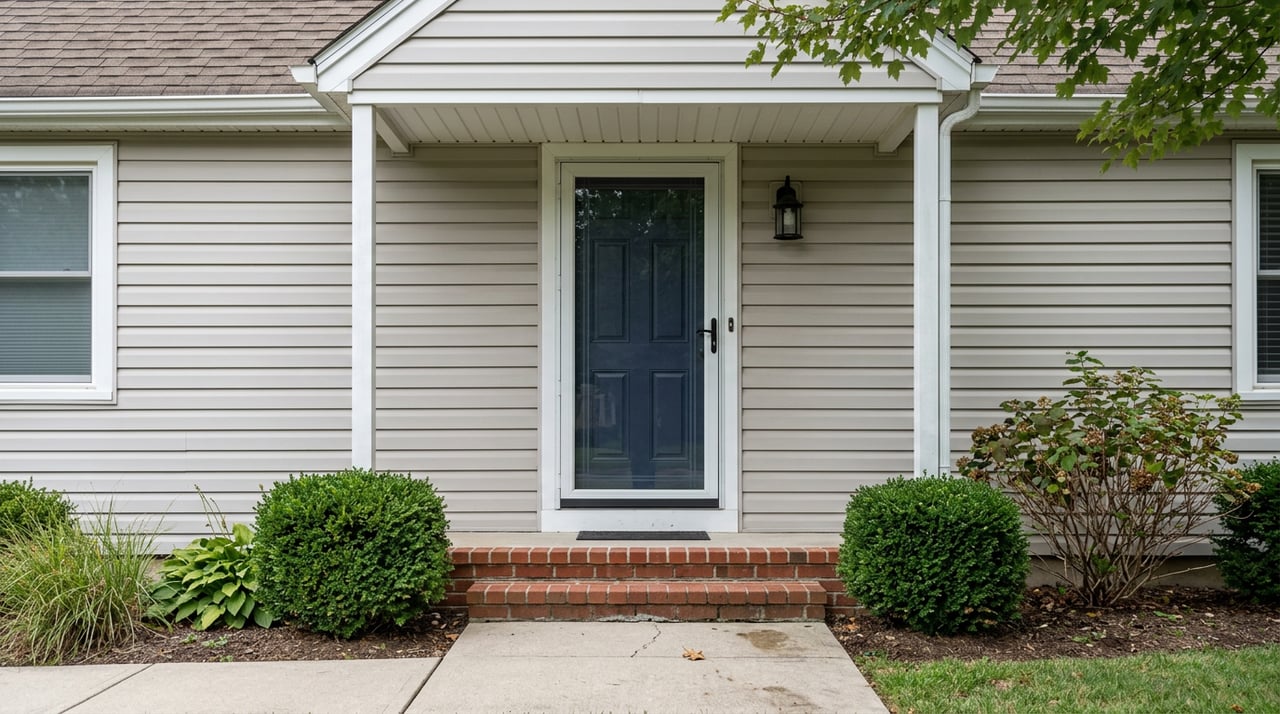
Ranch-style houses and single-floor condos are popular with downsizers who want step-free living. The tradeoff is simple: fewer stairs and easier upkeep in exchange for a focused footprint. If you prioritize accessibility, look for wide hallways, minimal thresholds, and a walk-in shower or room to add one.
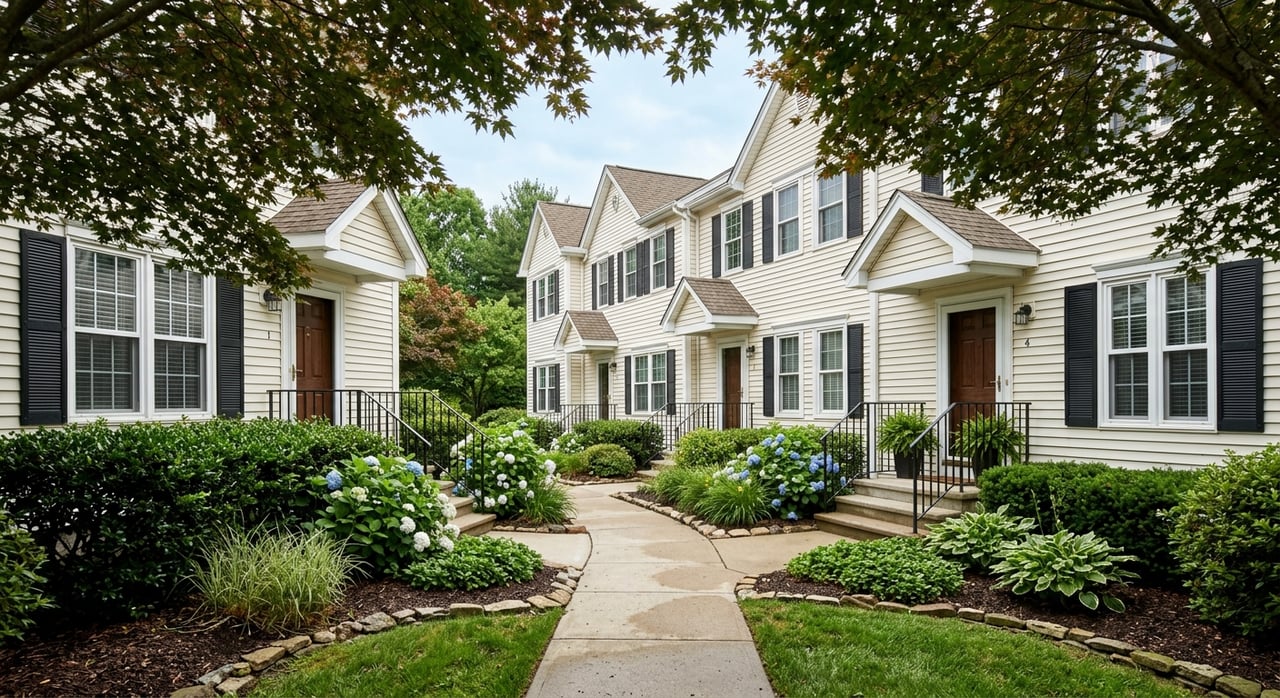
Condos and townhomes reduce exterior maintenance. HOAs often handle landscaping and exterior repairs, and you pay a monthly fee for those services. Compare HOA budgets and rules, storage, parking, and elevator access if the unit is not on the first level.
If you want social activities and meals without medical care on site, independent living can be a great next step. In Branford, explore options like Cedar Woods. Parkside Village also offers independent and assisted living options. Ask each community for a sample fee schedule, inclusions, and contract terms.
For daily living support or memory care, compare care levels, staffing, and visiting policies. HarborChase of Branford offers assisted living and memory care. Monthly costs vary widely based on apartment type and care needs, so request a detailed breakdown and assessment.
Larger 55+ villages exist in Connecticut, though they are less common right on the immediate shoreline. If you want a big, age-restricted community, you will likely look a bit inland. Many Branford downsizers choose one-level condos or local independent-living communities instead.
Focus on small, high-ROI improvements: neutral paint, bright light bulbs, leak fixes, and tidy landscaping. If your home has single-floor living, step-free entries, or a first-floor primary bedroom, highlight those features in your marketing. Stage for clear pathways, simple furniture, and easy circulation. Base your staging plan on comparable listings and your expected price band.
Get three written estimates from licensed, insured movers. Seniors often benefit from a move manager who coordinates packing, set-up, and donation pick-ups. After the move, handle final clean-out and any last bulky drop-offs at the Transfer Station. Keep utility shutdowns and change-of-address checklists in one folder to track completions.
Branford’s town-wide revaluation took effect on October 1, 2024. Those updated assessments feed into the FY26 budget and mill-rate calculation, which influence tax bills. Not every bill moves the same way because changes depend on your specific assessment and the adopted mill rate. For official guidance, start with the Assessor’s revaluation information. For mill rate, payment timing, and elderly relief programs, contact the Tax Collector. If you are budgeting for an independent or assisted living move, ask about deferral or abatement options and whether you qualify for state circuit-breaker credits.
You deserve a move that feels organized, respectful, and on your timeline. With boutique, high-touch guidance and practical construction insight, you can focus on what comes next while your plan stays on track. If you want a local strategy for selling, buying, or exploring senior living options, reach out to Lisa Fekete to schedule your complimentary consultation.
Stay up to date on the latest real estate trends.

Luxury goes beyond square footage and price points. It’s about feeling supported, understood, and confident throughout the journey. Whether you’re purchasing, selling, or investing, you’ll receive thoughtful, goal-driven guidance, hands-on support from start to finish, and a new best friend in real estate you can rely on long after the closing.