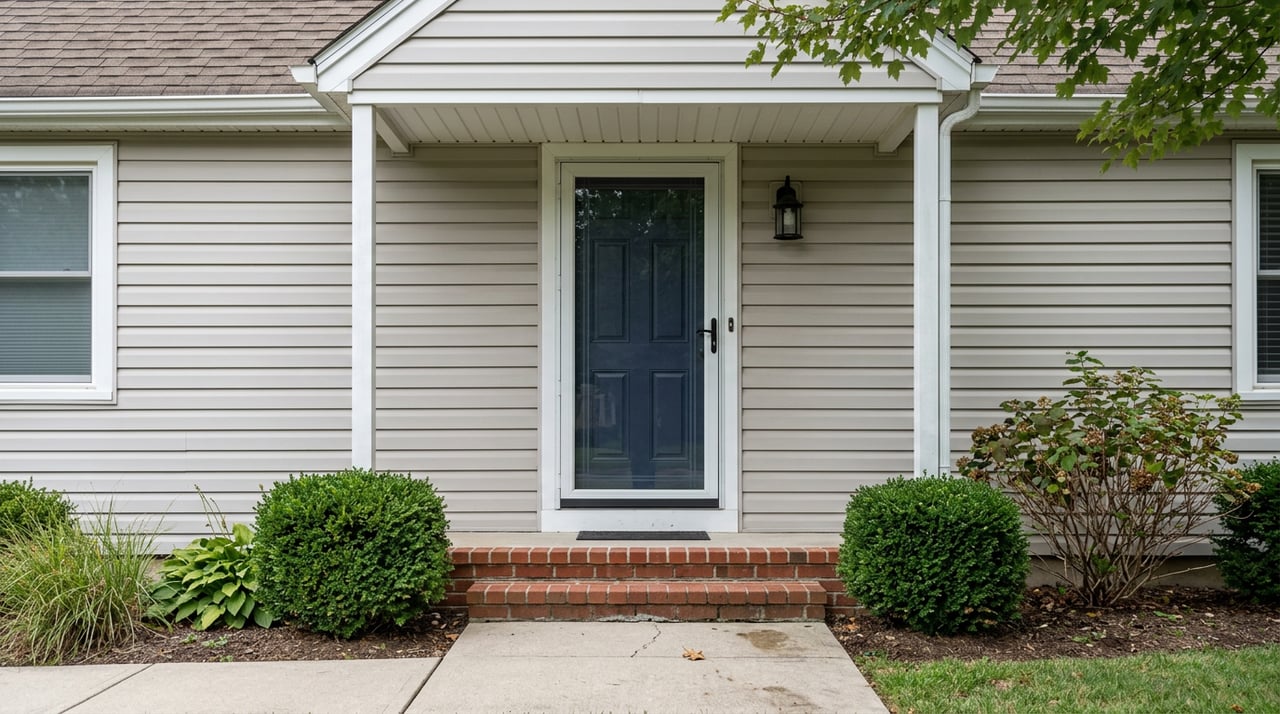
Pricing Your Branford Home In Today’s Market
March 5, 2026
March 5, 2026
Setting the right list price in Branford can feel tricky. Shoreline premiums, flood insurance questions, and that recent revaluation all play a role. You want top dollar without sitting on the market or leaving money on the table. In this guide, you’ll learn a simple, proven way to price your Branford home today, what truly moves value in our micro‑neighborhoods, and how to launch strong in the first two weeks. Let’s dive in.
Town-level gauges place Branford’s typical home value near the mid $400,000s as of early 2026. That is a helpful backdrop, but you should expect meaningful dispersion by neighborhood. Waterfront and peninsula areas like Indian Neck and Pine Orchard often trade at a premium compared to inland neighborhoods. The key is to anchor your price to the right micro‑market, not the townwide average.
Also remember that portal snapshots can report different numbers for things like days on market because they use different definitions. Treat those as directional. Your listing price should be built on live, local comps and current competition.
Closed sales from the last 3 to 6 months in your immediate micro‑neighborhood are your strongest comps. They show what buyers actually paid. The most similar homes in style, size, lot, age, location, and condition carry the most weight.
Active listings are your direct competitors and can help you understand the pricing band buyers see today. Pending sales can reveal where buyers are currently saying yes. Together, they show how crowded your price range is and how quickly well‑priced homes are moving.
Days on market, sale‑to‑list ratio, and months of inventory help you decide whether to price on the nose or leave a little room. Your agent should source these from the local MLS for your exact price band and neighborhood.
No two homes are identical. A strong pricing analysis explains adjustments for differences like a finished basement, an updated kitchen, a larger lot, or water views. Appraisers expect those adjustments to be justified with market evidence, which mirrors how a careful agent will present your price range. You can see how appraisers approach adjustments in the federal guide on comparable sales adjustments.
Waterfront, peninsula, and water‑view homes command noticeable premiums in Branford. That premium is balanced by flood risk and insurance costs, which buyers factor into offers. Before listing, identify your FEMA flood zone and gather any available elevation certificates. The Town provides a helpful starting point for FEMA flood map information, and you can search official panels at the FEMA Flood Map Service Center.
Connecticut has expanded seller disclosure expectations around flood risk, so be ready to share what you know. A practical summary of recent changes appears in this legal overview of new real estate laws, including flood‑related disclosures, for 2025 and beyond: Connecticut tackles several real estate issues.
Branford is a tapestry of distinct areas, from Branford Center and Short Beach to Stony Creek and the Thimble Islands. Waterfront access, marinas, beaches, and private club amenities can draw different buyer groups and result in higher price points. High‑value island or harbor properties occasionally make local news, which highlights just how wide the pricing spectrum can run across town.
Buyers pay for what they can see and feel on day one. In our coastal climate, durable exterior work and updated systems matter. Curb appeal, fresh paint, and modest kitchen or bath refreshes often deliver strong bang for the buck. The national Cost vs. Value research shows exterior projects and minor kitchen or bath updates among the better percentage returns. You can explore those patterns in the 2025 Cost vs. Value Report.
Branford completed a revaluation that lifted assessed values townwide, and the grand list reportedly jumped about 46.5 percent. That change has stirred plenty of tax questions. It is important to separate assessed value from market value and to confirm the mill rate for your fiscal year when estimating taxes. Local coverage explains the assessment change here: Branford’s grand list surge after revaluation. For property‑level data, the town’s GIS and assessor database is a useful reference.
Proximity to the Shore Line East station on Maple Street and quick access to I‑95 can widen your buyer pool. Neighborhoods that offer an easier commute to New Haven or points east often see stronger showing activity. See the local station details on the Shore Line East Branford page.
Your launch window is your most valuable exposure period. Price close to the competitive band so you clear buyer filters and drive early showings. If you overreach at launch, you risk going stale and chasing the market down later.
During the first two weeks, your agent should track online views, inquiries, and showings per week for your price tier. If activity lags expectations, make a timely adjustment to price or marketing rather than waiting. Aim to collect and act on feedback fast.
If your property is near the shoreline, prep a clean, confident data packet for buyers. Include:
You rarely need a full remodel to sell well. Focus on updates that return a strong percentage and improve first impressions:
For planning, use the Cost vs. Value Report as a reference, then weigh costs against expected uplift in your specific Branford sub‑market.
Here is a simple plan you can use with your agent:
Pre‑listing inspection. Identify items that could spook buyers and fix what is practical. This creates leverage at offer and appraisal.
Tidy, tune, and stage. Focus on curb appeal, clear surfaces, bright lighting, and simple, neutral staging that photographs well.
Professional visuals. Use high‑quality photos, a floor plan, and if relevant, drone images to show proximity to the water, beaches, or the train.
Documentation ready. For coastal homes, include your FEMA zone, elevation certificate, association documents, and any flood insurance details up front.
Price to the band. Launch in the competitive zone that captures the most buyers. Avoid “testing high” at launch.
Feedback loop. Track showings and feedback during week one and two. If activity misses targets for your tier, adjust promptly.
Connecticut has updated real estate laws affecting seller disclosures, including flood‑related information buyers will expect to see. For a policy overview, review the state bill page for 2025 legislative changes (SB‑9 / Public Act No. 25‑33) and this practical legal summary: Connecticut tackles several real estate issues. Your agent can help you complete the required forms accurately and gather any flood documentation early so nothing surprises buyers later.
You deserve a pricing plan that matches Branford’s unique market. With the right comps, a clear coastal strategy where needed, and a focused two‑week launch, you can sell with confidence. If you would like a data‑driven CMA, a practical prep plan, and boutique, high‑touch service backed by top marketing systems, connect with Lisa Fekete. Schedule Your Complimentary Consultation.
Stay up to date on the latest real estate trends.



Luxury goes beyond square footage and price points. It’s about feeling supported, understood, and confident throughout the journey. Whether you’re purchasing, selling, or investing, you’ll receive thoughtful, goal-driven guidance, hands-on support from start to finish, and a new best friend in real estate you can rely on long after the closing.