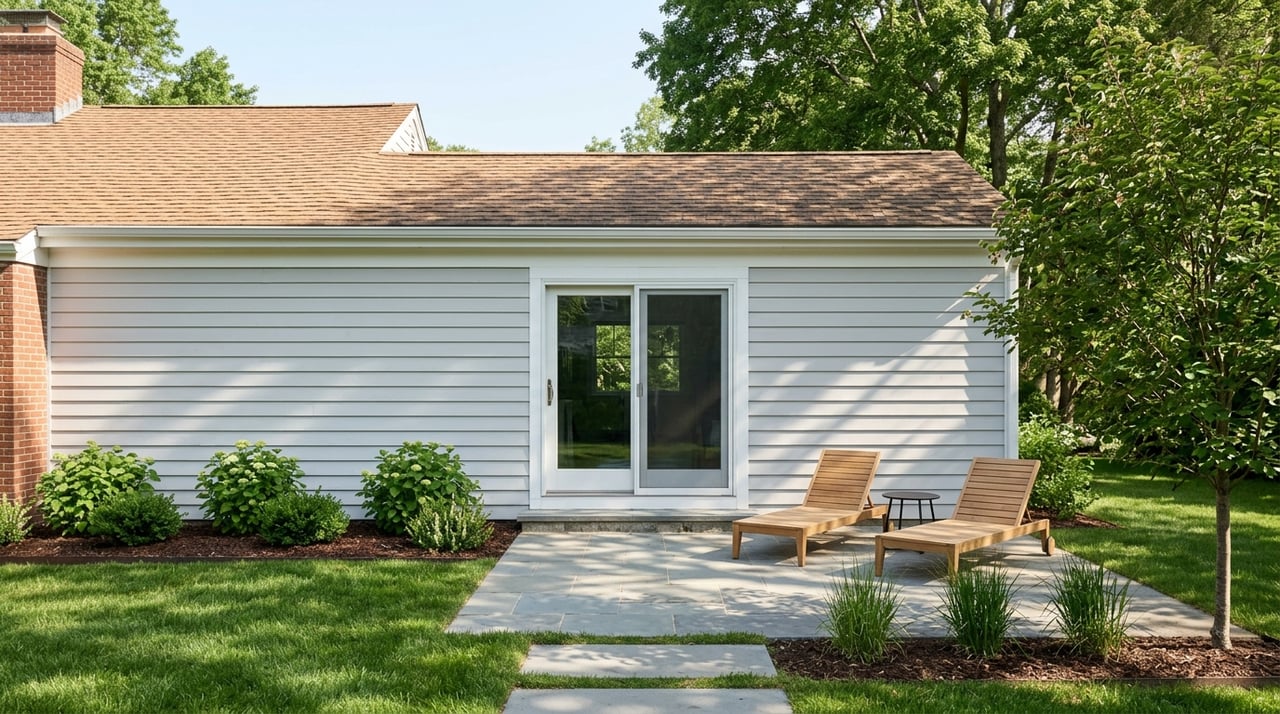
When Is The Best Time To Sell In Old Saybrook
April 16, 2026
April 16, 2026
If you’re thinking about selling your home in Old Saybrook, timing can make a real difference. You want to list when buyers are active, your home shows well, and the market gives you the best chance to attract strong interest. The good news is that Old Saybrook’s seasonal patterns offer some helpful clues, and with the right strategy, you can make a smart move in almost any season. Let’s dive in.
For most homeowners in Old Saybrook, spring is the strongest default time to sell. National seller research from Realtor.com’s 2026 Best Time To Sell report points to April 12 to 18, 2026, as the best week to list, with homes historically getting 16.7% more views per listing, selling about 17% faster, and seeing fewer competing sellers and price reductions than the average week.
That national trend lines up with broader Connecticut seasonality. The Connecticut Department of Labor found that homes historically moved much slower in winter than in the warmer months, with January showing over 80 median days on market compared with about 50 during peak summer months.
For Old Saybrook specifically, the most practical takeaway is this: late March through May is often the sweet spot. You can get in front of spring demand before the larger wave of summer listings builds.
Old Saybrook is not just any market. Its location where the Connecticut River meets Long Island Sound gives it a strong shoreline identity, and the town notes that it has 12 miles of coastline and 8 marinas. That setting shapes buyer interest, especially for homes tied to outdoor living, water access, or seasonal lifestyle appeal.
Current market conditions also suggest that strategy matters. According to Realtor.com’s Old Saybrook market overview, the town had 33 homes for sale, a median listing price of $874,900, a median of 77 days on market, and a 99% sale-to-list ratio as of March 2026. The market was described as balanced in February 2026, which means sellers can still succeed, but preparation, presentation, and pricing matter more than they would in an overheated market.
If your home’s biggest selling points are its deck, dock, outdoor entertaining space, water views, or proximity to the coast, summer may be your best window. Old Saybrook’s marine patrol information notes that boat traffic rises strongly in summer, with visitors drawn from across Connecticut and nearby states.
That seasonal activity helps buyers experience the area at its most active and visible. Waterfront features are easier to evaluate when landscaping is full, outdoor spaces are in use, and the shoreline lifestyle is on display.
There is also some directional local evidence that summer can move quickly. A SmartMLS market update for Old Saybrook showed very fast August 2024 absorption, with single-family homes at 15 days on market and condos at 10 days. That does not guarantee the same result every year, but it supports the idea that summer can be a strong showing season.
Fall is not usually the top season for seller traffic, but it is not a bad season by default. According to Realtor.com’s seasonal research, buyer views often cool in late summer and early fall, and price reductions tend to rise as lingering summer inventory stays on the market.
What does that mean for you? In fall, your home can still sell well, but it often needs sharper pricing and stronger presentation. Buyers may be more selective, so your home has to stand out quickly.
For some sellers, fall is still a smart choice. If your home is move-in ready, well marketed, and priced from current comparable sales rather than spring expectations, you can still attract serious buyers.
Winter is generally the least favorable season if your goal is maximum traffic and the fastest possible sale. The Connecticut Department of Labor found January to be the slowest stretch historically, and Old Saybrook’s Realtor.com market page showed a 77-day median days on market in February 2026.
That said, winter is not off the table. If you need to move on a specific timeline, winter listings can still sell. You just need to go in with realistic expectations around showing activity, time on market, and buyer volume.
In a balanced market, winter sellers usually do best when the home is polished, the price is tight, and the plan is patient.
For waterfront or shoreline homes, the answer is often less about the calendar alone and more about when the property shows at its best. In Old Saybrook, buyers in this segment may pay close attention to outdoor condition, storm readiness, and water access.
That makes spring through early summer the most intuitive listing window for many waterfront homes. Warmer weather helps buyers assess decks, docks, landscaping, and overall outdoor usability.
Risk factors also matter in this segment. Redfin’s 06475 housing market data says 57% of properties are at risk of severe flooding over the next 30 years, and 99% are at severe wind risk. Buyers may look carefully at resilience features, so it helps to prepare those talking points before listing.
For most single-family homes, spring is the safest recommendation. It aligns with stronger broad demand and a generally faster market pace.
In a balanced market like Old Saybrook, though, there is no magic date that replaces good preparation. A clean, well-maintained, properly priced home will usually outperform a poorly prepared home listed in the “perfect” week.
Condo and townhome timing can be a little more segment-specific. In the March 2026 SmartMLS Old Saybrook update, year-to-date townhouse and condo days on market were 47, compared with 64 for single-family homes.
That suggests attached homes may move on a different rhythm, but small sample sizes can create quick swings. If you own a condo or townhome, recent comparable sales matter more than broad assumptions.
If you want to target the strongest selling window, it helps to work backward from your ideal list date. Realtor.com seller research says many homeowners should expect a long runway from the decision to sell to closing, with time needed for pricing, repairs, planning, and agent selection.
Here are a few smart early steps:
This is where practical guidance can really help. If your home needs updates before listing, having renovation insight can make it easier to choose improvements that support marketability without overspending.
For most homeowners, spring is the best time to sell in Old Saybrook. It usually offers the best mix of buyer demand, faster pace, and lower competition than the later summer rush.
If you own a waterfront or lifestyle-driven property, summer may be the better specialized window because buyers can fully experience the outdoor and shoreline features. Fall can still work with disciplined pricing, while winter is usually best for sellers who need to move on a specific timeline rather than wait for peak traffic.
If you’re trying to decide when to list, the right answer depends on your property, your goals, and how much prep your home needs. If you want thoughtful, local guidance backed by practical property insight, Lisa Fekete can help you build a plan that fits your timing and your home.
Stay up to date on the latest real estate trends.
Luxury goes beyond square footage and price points. It’s about feeling supported, understood, and confident throughout the journey. Whether you’re purchasing, selling, or investing, you’ll receive thoughtful, goal-driven guidance, hands-on support from start to finish, and a new best friend in real estate you can rely on long after the closing.