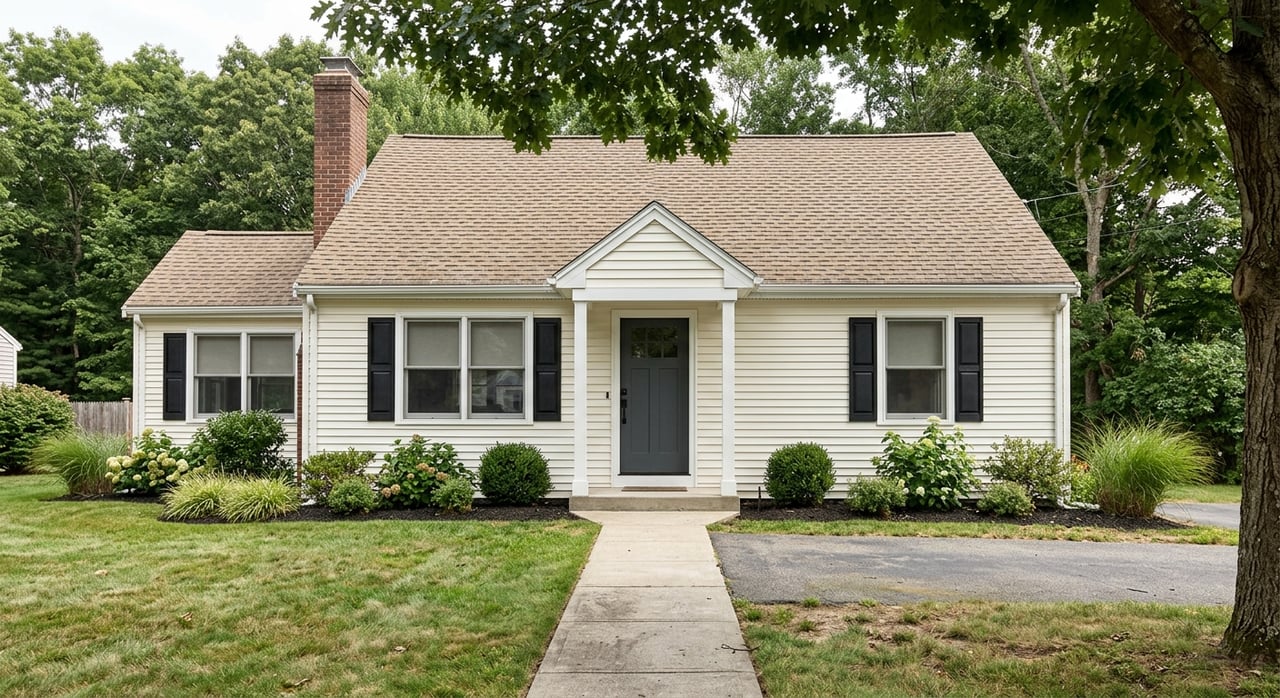
How To Buy A Home In Old Saybrook CT
May 28, 2026
May 28, 2026
Buying near the Connecticut shoreline can feel exciting and a little intimidating at the same time. You want to move quickly when the right home appears, but you also want to make smart decisions about taxes, flood risk, permits, and future plans for the property. This guide will walk you through how to buy a home in Old Saybrook, CT with more confidence, so you know what to watch for before you make an offer. Let’s dive in.
Old Saybrook remains a competitive market, but it is not impossible to navigate with the right plan. Realtor.com shows 60 homes for sale, a median list price of $859,000, median days on market of 19, and a 99% sale-to-list ratio, while labeling the town a balanced market in March 2026.
That combination matters for you as a buyer. Homes that are priced well can still move quickly, yet the market conditions may allow room for normal due diligence. In smaller coastal areas such as Saybrook Point and Otter Cove, inventory is even tighter, so preparation matters even more.
Before you tour seriously, get clear on what you can comfortably afford. A preapproval letter helps define your budget and can strengthen your position when you are ready to submit an offer.
It also helps to look beyond the monthly mortgage payment. You should budget for closing costs, moving expenses, repairs, insurance, and any immediate work the home may need after closing.
In Old Saybrook, property taxes are an important part of the picture. The town's FY 2025 mill rate is 15.50, and real estate is assessed at 70% of market value based on the last revaluation date, which was October 1, 2023. The next scheduled revaluation is October 1, 2028.
That means you should not assume the purchase price will match the assessed value used for taxes. Tax bills over $100 are typically paid in two installments, due July 1 and January 1, so it is smart to ask how those dates may affect your first year of ownership costs.
Old Saybrook offers a mix of shoreline settings, inland neighborhoods, condos, and single-family homes. As you narrow your search, think about how you want to live day to day and how the property may need to function in the future.
If you are drawn to a coastal location, remember that the setting may come with additional review considerations. If you prefer an inland property, you may still want to check wetlands, watercourses, and permit history before moving forward.
This is where a practical, detail-driven approach can save you time. If you are considering a home with renovation potential, it helps to evaluate not just the style and layout, but also whether your plans may trigger local review or permitting.
In Old Saybrook, location affects more than scenery. The town sits in the Long Island Sound watershed and applies local protections, including a 50-foot setback from tidal wetlands and a 100-foot riparian buffer from the Connecticut River and its tributaries.
As you tour homes, pay attention to the lot's relationship to marshes, wetlands, the river, and shoreline features. A beautiful setting may also shape what can be added, rebuilt, or changed later.
If you think you may want to add a deck, expand the footprint, raise the home, or make major exterior improvements later, ask early about local review requirements. Old Saybrook zoning regulations require Coastal Site Plan review for many proposals within the coastal boundary.
A single detached dwelling is exempt only when it is 100 feet or more from tidal wetlands, coastal bluffs and escarpments, and beaches and dunes. If a property falls closer than that, your future plans may need more review than you expect.
Even if a home is not on the water, inland wetlands rules can still matter. Old Saybrook advises property owners to consult the wetlands agent for work in or within 100 feet of inland wetlands, waterbodies, or watercourses.
If you already know you want to improve the property after closing, this should be part of your early screening process. It is much better to understand the limits up front than after you own the home.
Some properties in Old Saybrook were historically classified as seasonal dwellings. If you are buying a home to use year-round, check the assessor's property card and confirm whether any seasonal-dwelling conversion process may apply.
The town notes that conversion can involve the Health District and Building Department. This is a small step that can prevent a large headache later.
One of the most useful parts of buying in Old Saybrook is that official town resources make it possible to review property record cards and land records. That gives you a practical way to verify lot details, prior recordings, and basic parcel history while you are still in due diligence.
This review can be especially important if the home has had additions, renovations, or long-term deferred maintenance. If you are buying with plans to update the property, record research can help you build a more realistic picture of what has been done and what may still require approval.
A standard home inspection is important, but in Old Saybrook, some homes may need a broader lens. Shoreline properties can raise questions about flood exposure, wetlands, septic systems, water service, and permitting.
Because of that, buyers may benefit from a slightly longer inspection and attorney-review window than they would choose in a more typical inland setting. More time can give you space to evaluate the full picture without rushing.
Flood risk is one of the biggest issues to review carefully. The Connecticut Insurance Department states that standard homeowners and renters policies do not cover flood damage.
It also notes that one inch of flooding can cause more than $25,000 in damage, and that 25% to 40% of flood losses happen outside designated flood zones. In other words, flood questions are worth asking even when a home does not appear to be in the highest-risk area.
Old Saybrook's flood ordinance adopts FEMA Special Flood Hazard Areas including Zones A, AE, AO, AH, and VE. It also identifies VE and coastal AE zones bounded by LiMWA as coastal high-hazard areas, with the applicable flood maps on file with the Building and Land Use Departments.
If the home you want is in a high-risk flood zone and you are using a government-backed mortgage, flood insurance is required. Buyers should also plan ahead because flood insurance policies normally take 30 days to go into effect.
Not every attractive property connects to the same utilities. For homes with septic systems or private water, local health review can play a larger role in your due diligence.
CRAHD serves Old Saybrook, and the town's wastewater-management district program oversees on-site sewage system upgrades. That makes septic and water testing an important step for some buyers, especially if you are looking at older homes or homes near the shoreline.
Once you find the right home, move with purpose. In a market with low days on market and a strong sale-to-list ratio, hesitation can cost you an opportunity.
At the same time, thoughtful terms still matter. Your offer should reflect not only price, but also the time you need for inspections, attorney review, financing, insurance planning, and any research tied to wetlands, flood zones, or seasonal-use questions.
In a place like Old Saybrook, a smart offer is not just fast. It is well structured.
At closing, the deed is recorded with the Town Clerk. Effective July 1, 2025, Old Saybrook's recording fee is $70 for the first page and $5 for each additional page, plus a $2 flat fee per deed when the transfer includes conveyance tax.
The town's local real estate conveyance tax is 0.25%. In-person recordings are accepted until 4 p.m., which is a small but useful detail as your closing day approaches.
After closing, the Town Clerk also offers a free Property Check program that helps owners monitor their records for property and mortgage fraud. It is a simple local resource worth using once your purchase is complete.
Buying the home is only the start. If you plan to renovate after closing, remember that some work requires permits and inspections, and some projects may also need planning, zoning, or architectural or historic review before work begins.
For follow-up questions after you move in, the most useful local offices are often the Building Department, Town Clerk, Tax Collector, Assessor, Land Use Department, and CRAHD. Knowing where to go can make post-closing projects feel much more manageable.
If you want a home in Old Saybrook, the best path is usually a balanced one. You need enough speed to compete, enough local knowledge to avoid surprises, and enough practical insight to evaluate what the property can realistically become.
That is where experienced, high-touch guidance can make a real difference. If you are thinking about buying in Old Saybrook and want clear advice tailored to your goals, connect with Lisa Fekete for a complimentary consultation.
Stay up to date on the latest real estate trends.
Luxury goes beyond square footage and price points. It’s about feeling supported, understood, and confident throughout the journey. Whether you’re purchasing, selling, or investing, you’ll receive thoughtful, goal-driven guidance, hands-on support from start to finish, and a new best friend in real estate you can rely on long after the closing.